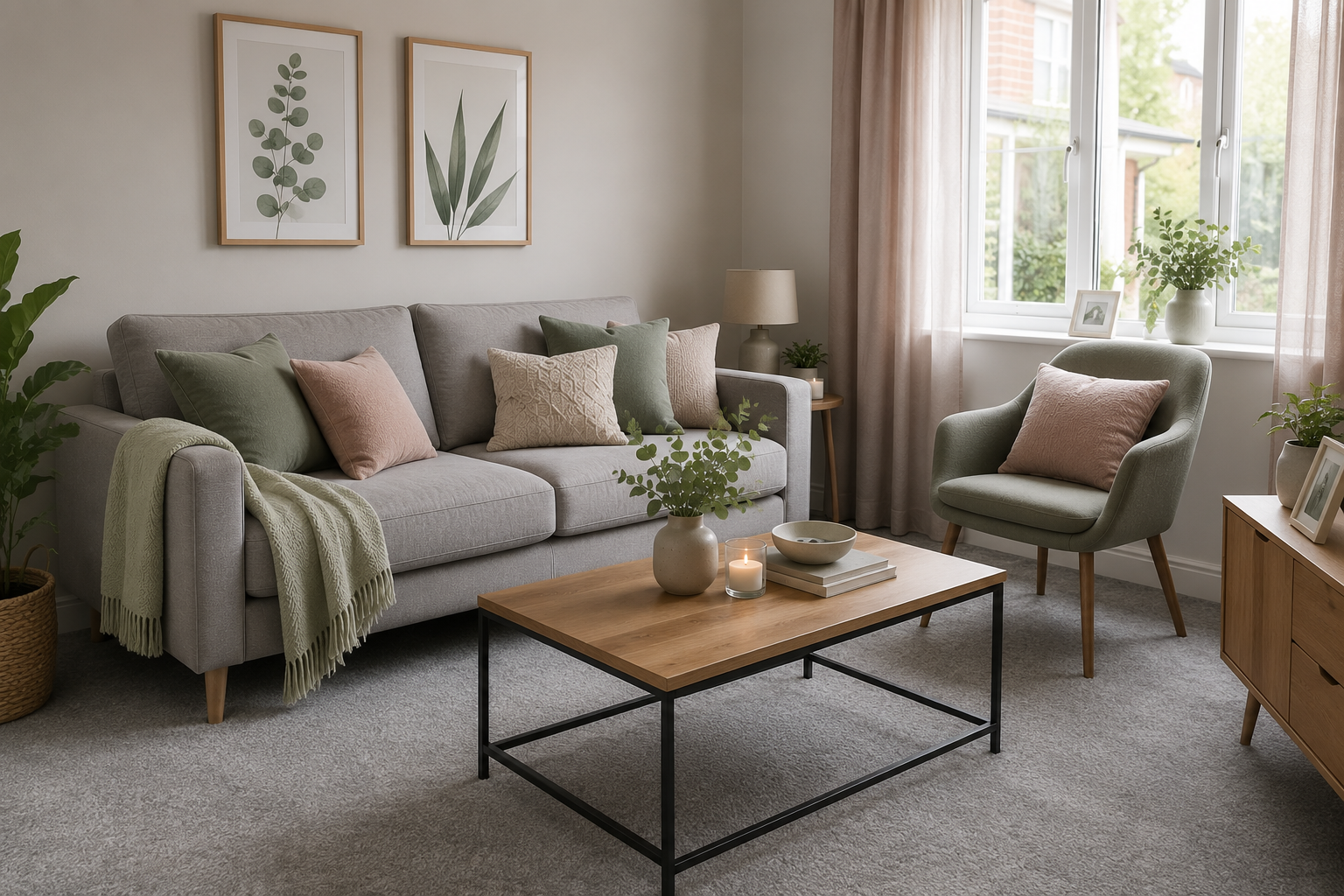
9 Things Smart Renters Should Never Do With Their Home
These are the renter mistakes that nobody warns you about — and some of them are surprisingly easy to make. Renting comes with its own unique set of unwritten rules — and nobody hands you a manual when you pick up the keys. Some mistakes are obvious. Others catch even experienced renters out completely.
After years as a qualified interior designer, and now as a renter myself, I’ve seen the same patterns come up again and again. So here are nine things that smart renters simply don’t do — and what to do instead.
1. Ignore the inventory check-in report
That document your letting agent hands you on move-in day is one of the most important things you’ll receive as a renter. It records the condition of the property before you moved in — and it’s your primary protection against unfair deposit deductions when you move out.
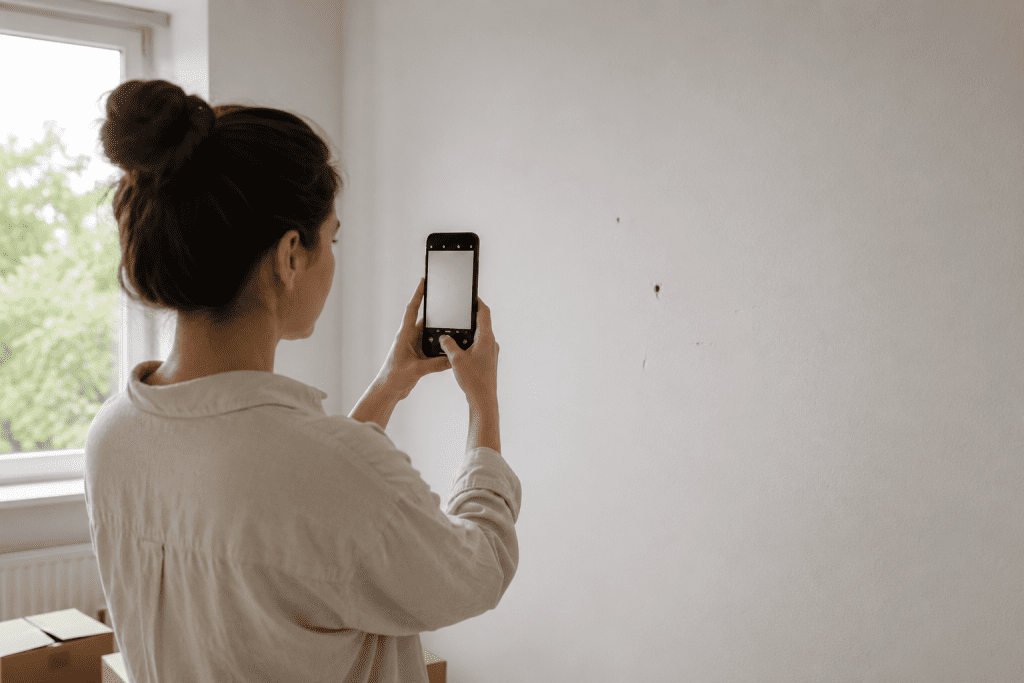
Go through it thoroughly. Photograph everything. Note every scuff, stain, and scratch. If something isn’t on the inventory and you didn’t put it there, you could end up paying for it at the end of your tenancy.
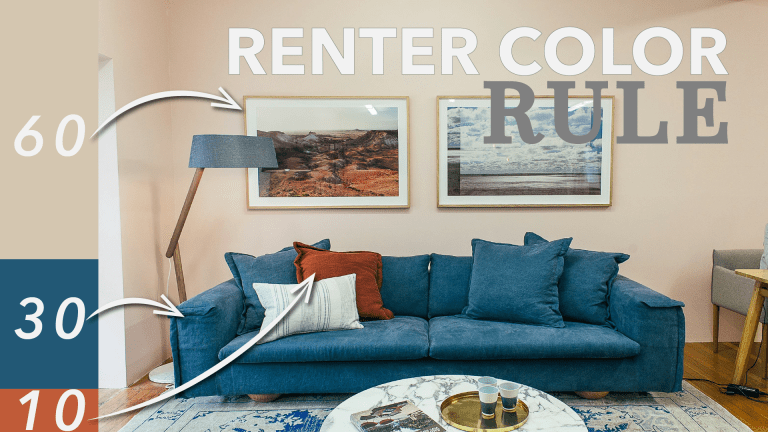
2. Paint the walls without asking
This seems obvious, but it catches people out in both directions. Some renters assume they can’t do anything to the walls and live with colours they hate for years. Others go ahead and paint without asking, then face deposit deductions.
The reality is many landlords will say yes if you ask — especially if you offer to return the walls to their original colour when you leave. Always ask first and get permission in writing.

3. Drill into walls without a plan
Holes in walls are one of the most common causes of deposit disputes. That doesn’t mean you can’t hang anything — it means you need a plan before you reach for the drill.
Damage-free hanging solutions have come a long way. Command strips, adhesive hooks, and picture hanging strips can hold significantly more weight than most people realise. And when drilling really is the right choice, a little filler and careful touch-up paint can make a hole disappear completely.
4. Assume what’s allowed without reading the lease
Your tenancy agreement is a legal document and it varies enormously between landlords and letting agents. Some are very restrictive. Others are surprisingly flexible.
Don’t assume either way. Read it properly. If something isn’t covered, ask for clarification in writing. Knowing exactly what you can and can’t do protects you and opens up possibilities you might not have realised were there.
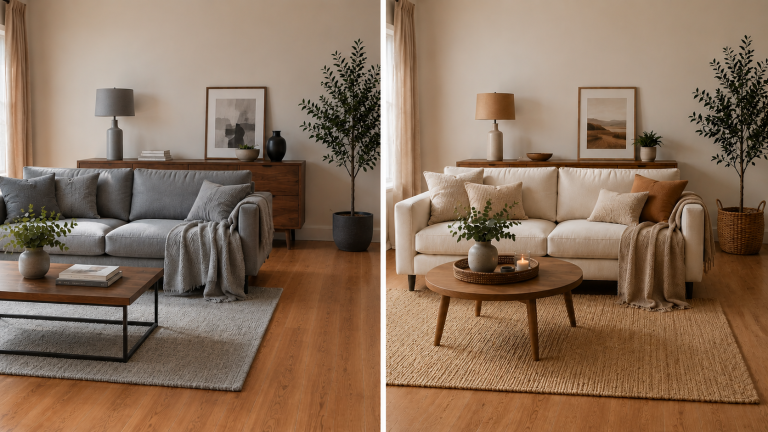
5. Buy furniture that only fits one layout
This is a decorating mistake that renters make more than homeowners — and it’s an expensive one. When you’re renting you may move more frequently, and rental homes come in all shapes and sizes.
Invest in versatile pieces that work in different configurations and different sized rooms. A huge corner sofa that perfectly fills your current living room might be completely useless in your next one.
6. Ignore maintenance issues
A small damp patch, a dripping tap, a door that doesn’t close properly. It’s tempting to just live with these things rather than bother the landlord — but ignoring them nearly always makes them worse.
Report maintenance issues promptly and in writing. It protects you if the problem escalates and it’s your landlord’s legal responsibility to deal with them. Keeping a record of every communication is good practice throughout your tenancy.
7. Use permanent flooring solutions
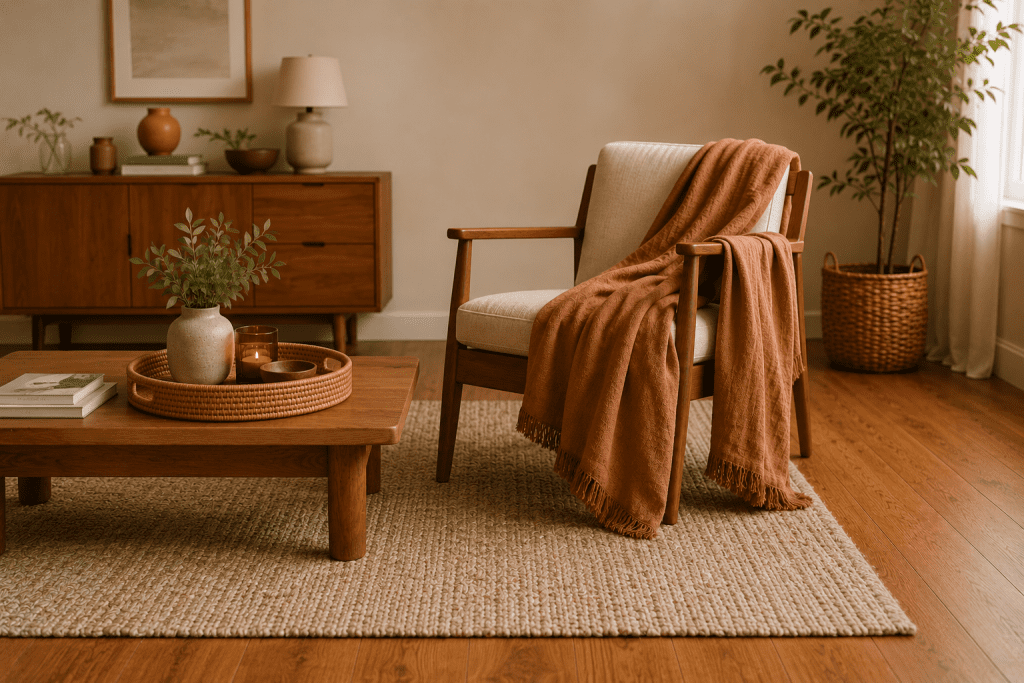
Rental floors are often the biggest design challenge — carpets in colours you wouldn’t choose, cold hard tiles, or laminate that’s seen better days. The temptation to do something permanent is understandable.
But peel and stick flooring, large rugs, and removable vinyl tiles have transformed what’s possible without touching the original floor. You can completely transform the look of a room and leave without a trace.
8. Neglect lighting
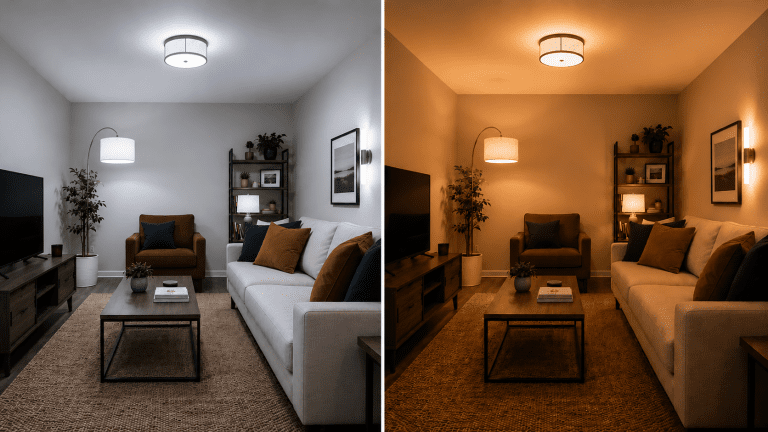
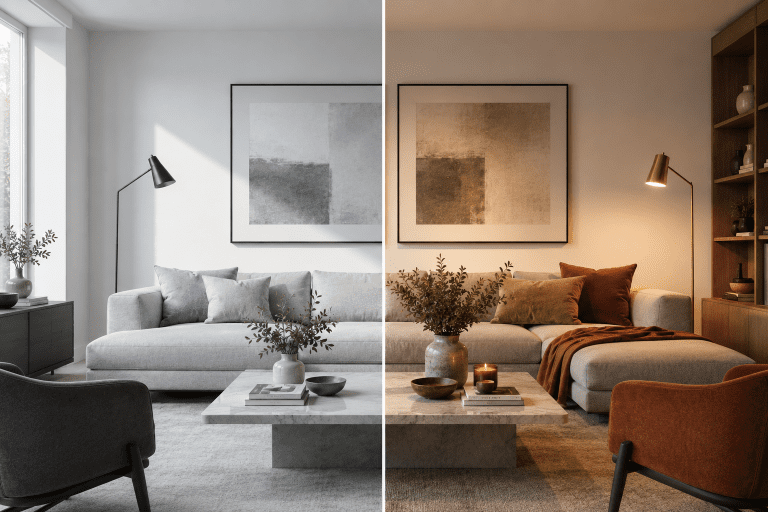
Lighting is the single most underestimated element of interior design — and in rental homes it’s often the worst it can be. A single overhead light in the centre of the room is the fastest way to make any space feel flat and uninviting.
You don’t need to touch the wiring. Floor lamps, table lamps, LED strip lighting, and battery-powered picture lights can layer your lighting completely deposit-safe. It will transform how your home feels more than almost anything else you could do.
9. Treat it like “just a rental”
This is the big one. The mindset that says “I’ll make it nice when I own somewhere” — and in the meantime puts life on hold.
Your home affects your wellbeing every single day. The space you live in influences how you feel, how you work, how you rest, and how you connect with the people you live with. You deserve to feel at home right now, not at some future point when you finally own four walls. If you take one thing from this post, let it be this — these renter mistakes are all avoidable with a little knowledge and the right mindset.
That’s the whole reason The Temporary Home exists.
Want to go deeper?
If you’re ready to start transforming your rental home, browse my guides in the shop — all created specifically for renters, by a designer who rents herself.